Team & Tournament Health

Athletic medical screening on your field.

Sports Mobile Diagnostics delivers comprehensive athlete health assessment to teams, leagues, and tournaments. Pre-participation physicals, concussion baseline testing, cardiac ECG screening, musculoskeletal evaluation, on-demand imaging, and tournament medical coverage — all on-site, same-day results.

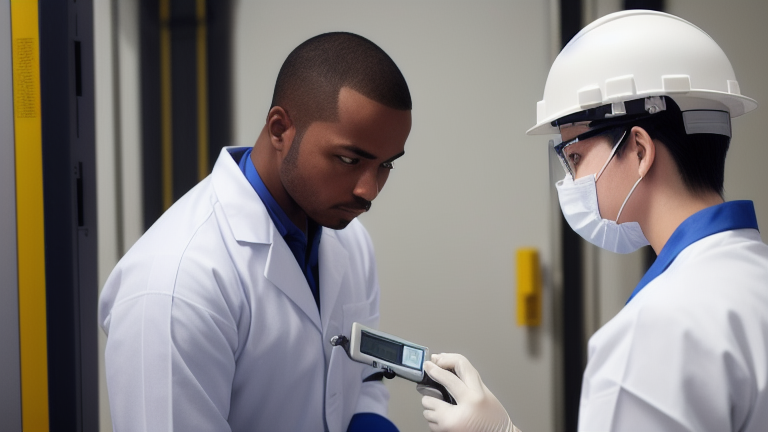
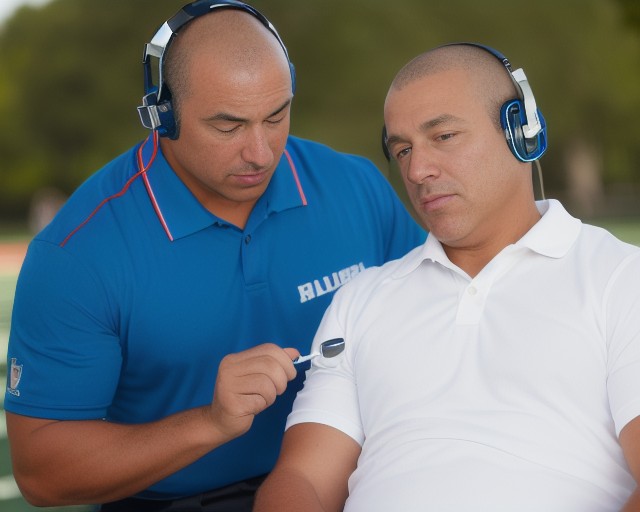
Mobile diagnostic hearing screening performed on-site for athletes
500+
Athletes Per Season
NCAA
2026 Compliant
1.4%
Abnormal Cardiac Rate
Same
Day Results

Athletic Health Services

Pre-participation exams, concussion baseline and post-injury testing, cardiac screening with ECG, musculoskeletal assessment, imaging on demand, and tournament medical coverage.

Pre-Participation Physicals

Complete athletic clearance exam with family cardiac history, orthopedic assessment, and fitness-to-play certification.

Concussion Baseline Testing

Pre-season neurocognitive baseline and post-injury cognitive assessment for return-to-play management.

Cardiac Screening (ECG)

12-lead EKG and cardiac risk assessment for sudden cardiac death prevention in young athletes.

Musculoskeletal Eval

Joint stability, flexibility, and functional movement screening for injury prevention.

Imaging on Demand

Ultrasound and portable imaging for acute injuries and return-to-play clearance.

Tournament Medical Coverage

On-site medical staff for tournaments, matches, and championship events.

The kit we bring to your team

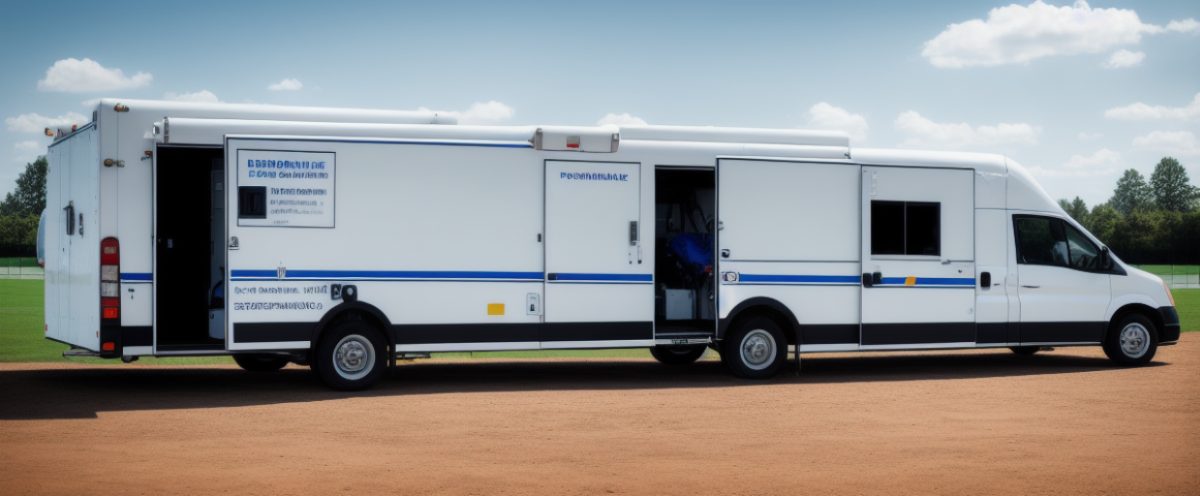
Boothless, portable diagnostics we set up courtside, on-field, or in the locker room — no fixed clinic required. Same-day screening wherever your athletes are.

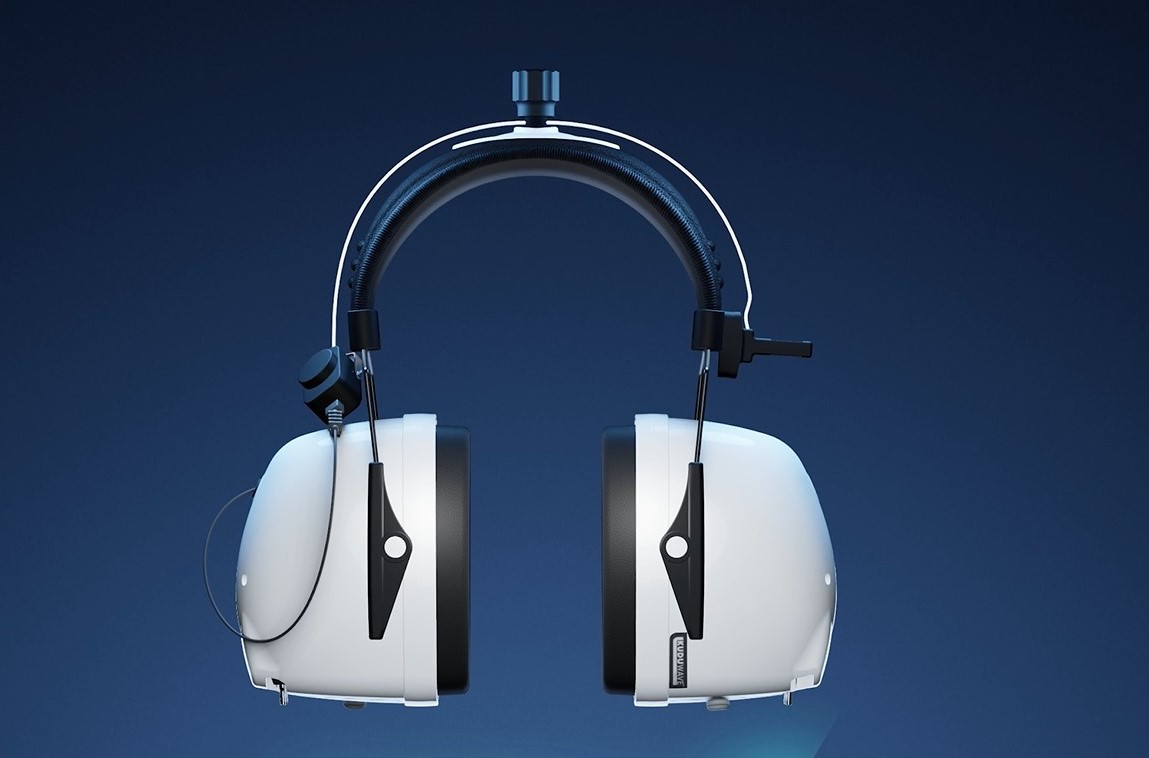
Portable KUDUWave audiometer for on-site athletic hearing screening

Portable KUDUWave Audiometer

On-site hearing screening you can run anywhere.

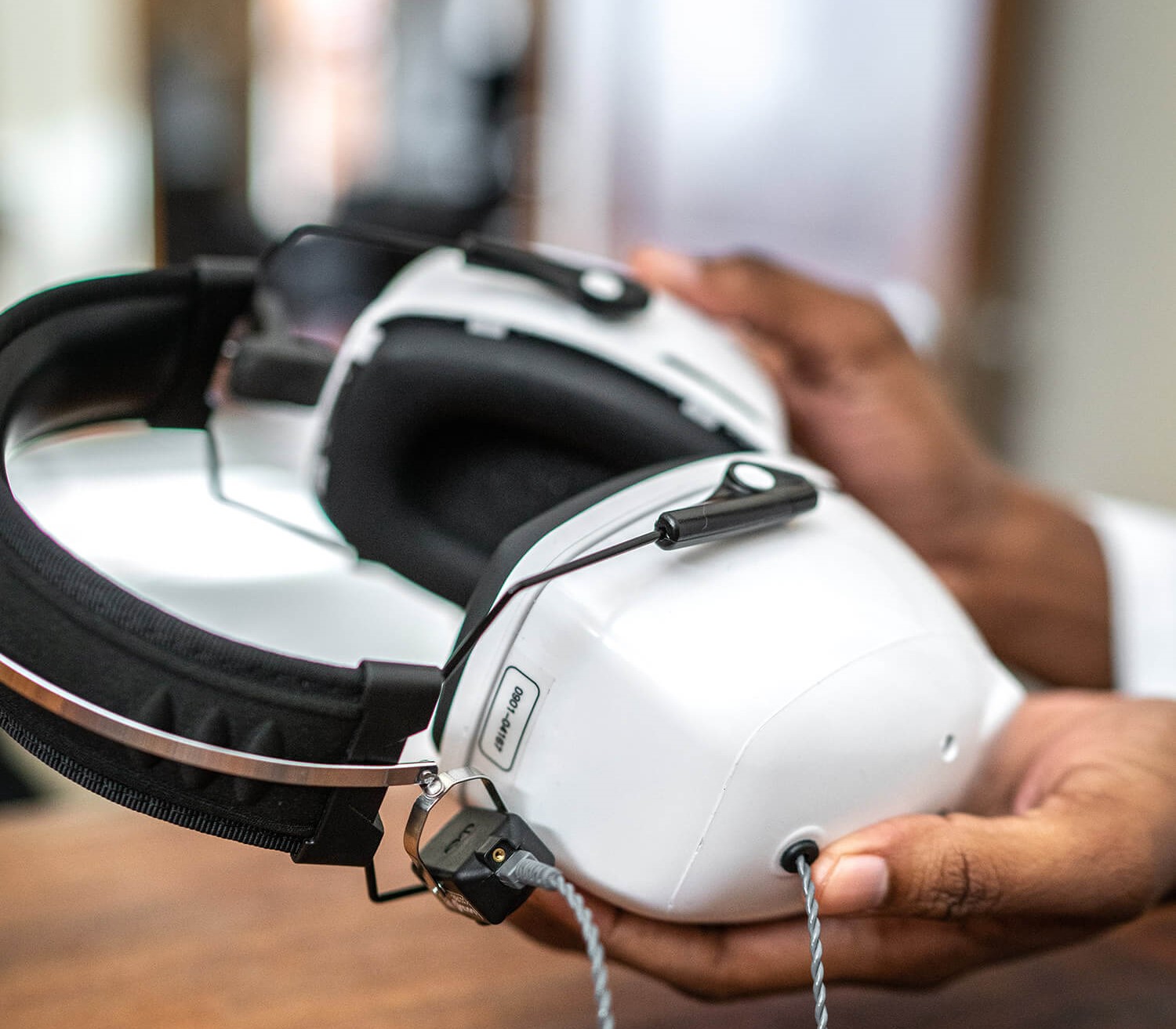
KUDUWave Prime boothless audiometer brought to teams and events

KUDUWave Prime

Boothless audiometry brought to teams and events.

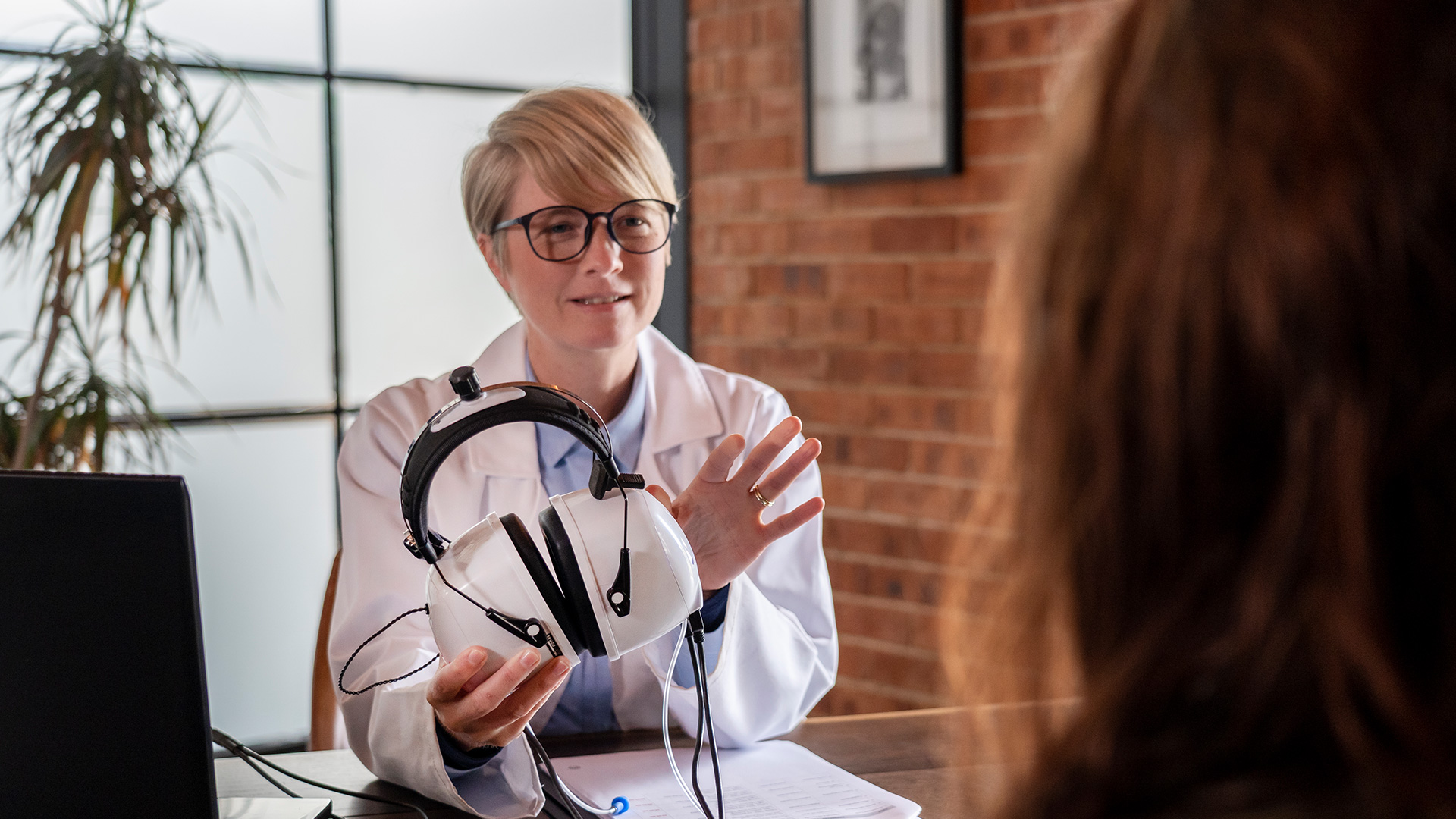
eMoyo KUDUWave Pro audiometer for mobile diagnostics

eMoyo KUDUWave Pro

Clinical-grade mobile diagnostics on demand.

Sports Health & Compliance News

NCAA policy updates, cardiac screening findings, concussion management, and stories from the field.

Educational

NCAA's 2026 Mental Health Standard Mandates Baseline Screening for All Division I Athletes — Implementation Toolkit

The NCAA Sport Science Institute's mental health best practices call on member schools to make mental health screening a routine part of pre-participation and ongoing care, using validated instruments and clear referral pathways to licensed providers. Athletic departments adopting a baseline-screening model typically administer brief, evidence-based questionnaires at intake and then repeat them at defined intervals through the season, so that changes in an athlete's status can be flagged early rather than surfacing only after a crisis.

For programs building out compliance, the practical work centers on three things: selecting screening tools that are validated in athlete populations, training staff on scoring thresholds and escalation, and documenting both the screening event and any follow-up referral. Because mental health information is sensitive, departments should coordinate closely with campus health, counseling services, and legal or compliance offices to keep records confidential and consistent with institutional policy. Guidance in this area continues to evolve, so timelines and required elements should be confirmed against the current NCAA documents rather than assumed.

Sources: NCAA Sport Science Institute; National Athletic Trainers' Association; CDC

Apr 23, 20268 min read
Informative

MLB's Spring Training Mobile Cardiac Screening Catches 1.4% Abnormal Rate — Industry Implications

Adding a resting 12-lead ECG to the history and physical remains one of the more debated topics in athlete cardiac care, and any single program's abnormal-finding rate should be read with caution. A reported abnormal rate near 1.4% is broadly consistent with published screening series, where a small minority of athletes show ECG or history findings that warrant further evaluation — though only a fraction of those are ultimately confirmed as conditions carrying real risk. The value of a mobile, on-site model is speed: capturing and reviewing tracings where the athletes already are, rather than losing follow-up between an initial flag and a distant referral.

What determines whether ECG screening helps or harms is interpretation quality. Using athlete-specific ECG criteria and experienced reviewers substantially lowers false positives compared with general-population standards, which reduces unnecessary downstream testing, cost, and anxiety. Major U.S. bodies have historically emphasized a thorough personal and family history plus physical exam, while several international protocols incorporate ECG; there is no universally mandated approach, so screening decisions are best made with a cardiologist and framed around informed consent rather than presented as a guarantee.

Sources: American Heart Association; American College of Sports Medicine; NCAA Sport Science Institute

Apr 19, 20267 min read
Field Notes

We Caught a Cardiac Anomaly During a Local Marathon. The Runner Sent Us a Card 6 Months Later.

Endurance events place real cardiovascular demand on participants, and pre-race screening is one way organizers and clinicians try to identify people who may need evaluation before they toe the line. In this case a routine tracing flagged an irregular rhythm the runner had never noticed; because arrhythmias can be intermittent and silent, they are easy to miss until a symptom or a screening prompts a closer look. Detection alone is not a diagnosis — it is a signal to pause competition and refer to a cardiologist for definitive testing.

The outcome here followed the pattern good screening is meant to produce: evaluation, appropriate treatment, and a supervised, criteria-based return to activity rather than an abrupt or permanent end to running. It is worth stressing that this is one athlete's story, not evidence that screening prevents every cardiac event; sudden cardiac events can still occur despite normal testing. Anyone with symptoms such as chest pain, unexplained fainting, or a family history of sudden death should seek medical advice regardless of whether a prior screen was clear.

Sources: American Heart Association; American College of Sports Medicine; CDC

Apr 11, 20266 min read

Let's clear your athletes.

Tell us your sport, league level, and season schedule. We deliver comprehensive screening on your timeline.

2026 Update: The 12-Lead ECG at the Center of Athlete Screening

Where current cardiac pre-participation guidance stands — and why it shapes how we screen on-site.

ECG-inclusive screening

Contemporary European and international pre-participation protocols recommend a resting 12-lead ECG alongside a targeted personal and family history and a physical examination. In athlete populations, the ECG is reported to detect a majority of the cardiac pathologies associated with sudden death — roughly 60% — with a low false-positive rate (around 1.3%) when readings are interpreted by experienced clinicians using athlete-specific ECG criteria.

Standardized interpretation matters

Sudden cardiac death remains a leading cause of mortality in young competitive athletes, and screening guidance continues to evolve without a single universally adopted protocol. Applying athlete-specific ECG interpretation criteria improves both sensitivity and specificity — which is exactly why our mobile cardiac screening pairs on-site 12-lead ECG capture with experienced clinical review before any return-to-play decision.

Free Guide · PDF

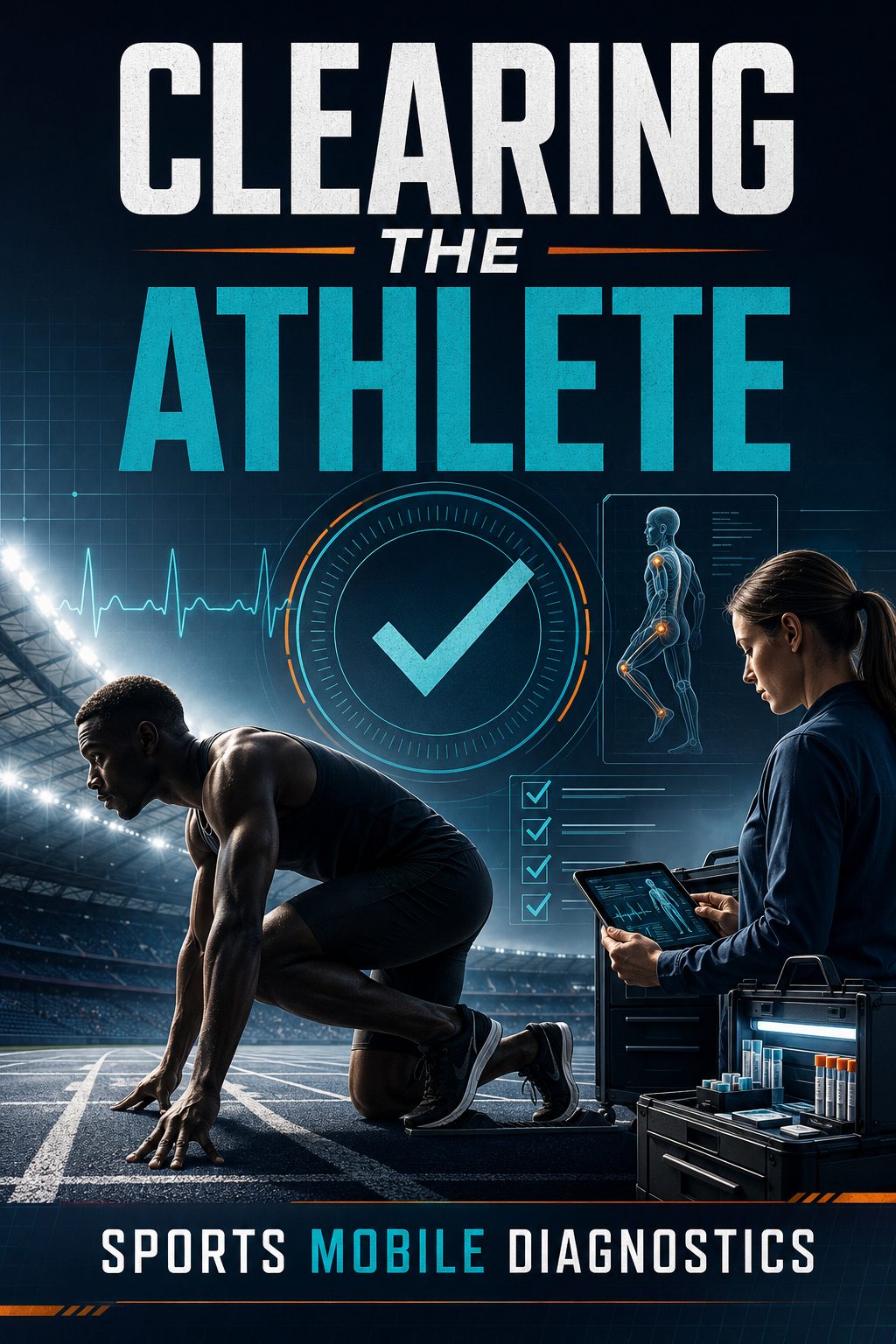
Clearing the Athlete

Download our free illustrated guide — practical, current, and written for 2026.

↓ Download the eBook
Watch

Videos

FAQ

Frequently Asked Questions

What biomedical equipment services does Sports Mobile Diagnostics provide?
We provide preventive maintenance, corrective repair, calibration, electrical safety inspection, and isolated power system (IPS) testing for hospitals, surgery centers, and clinics.
Are your biomedical technicians certified?
Yes. Our BMETs are certified and our work follows Joint Commission, CMS, and NFPA 99 standards so your facility stays survey-ready.
How fast can you respond to an equipment failure?
We offer scheduled preventive maintenance plus priority on-call service to minimize downtime on critical medical equipment.
Do you help with regulatory compliance and documentation?
We do. Every service includes the documentation you need for Joint Commission, CMS, and NFPA 99 surveys.
How do I request service or a quote?
Call (424) 204-2382 or email info@sportsmobilediagnostics.com and our team will schedule an assessment.
Devin Lockett, Founder
About the Founder

Devin Lockett

Devin Lockett is the founder and entrepreneur behind this venture and the wider BiomedRx family of companies—spanning healthcare technology, wellness, media, and community initiatives. He builds brands focused on quality, service, and independent ownership.

Shop

Recommended on Amazon

As an Amazon Associate we earn from qualifying purchases. Prices and availability are subject to change.

Get cash back when you join Amazon Prime
View on Amazon →
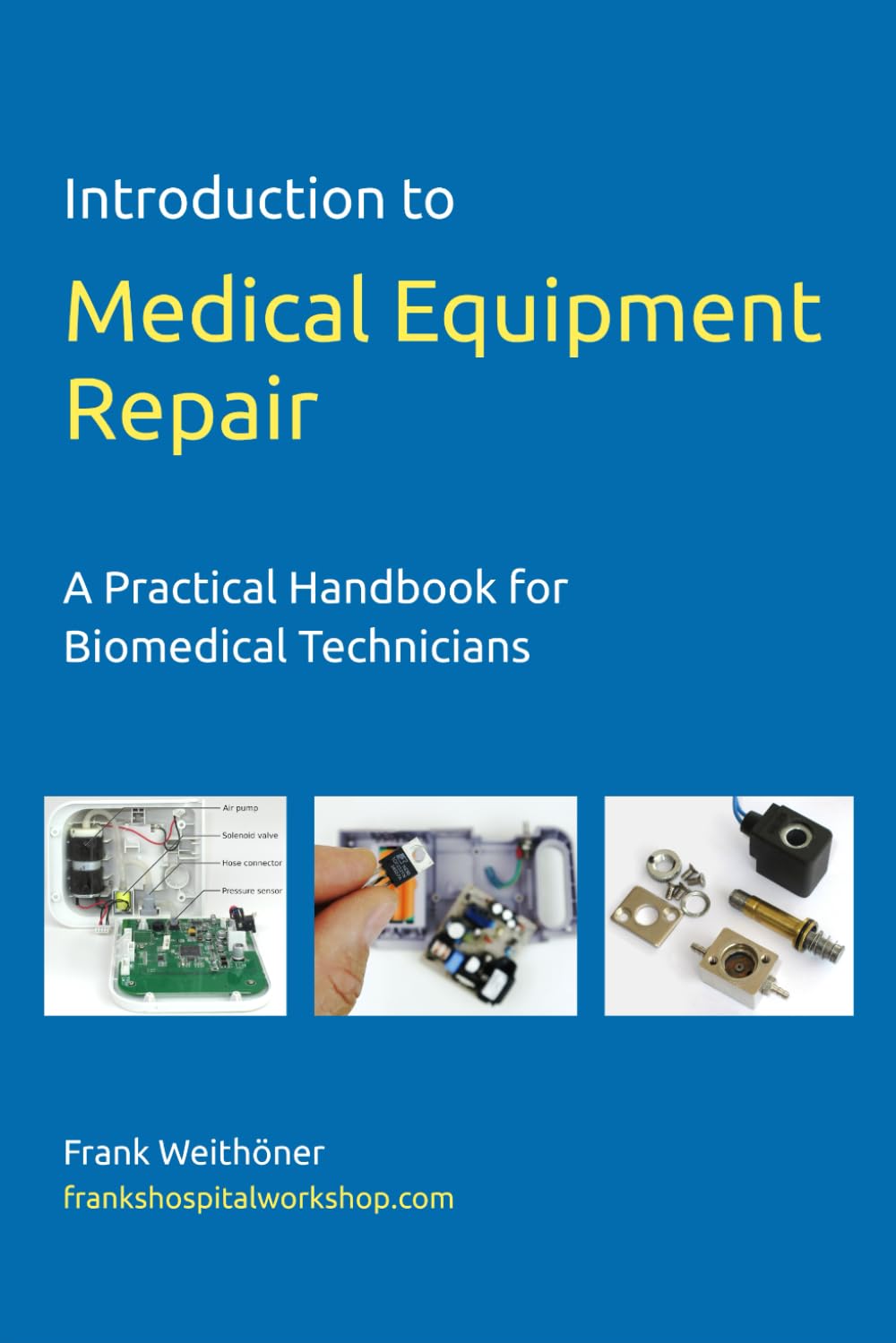
Introduction to Medical Equipment Repair
View on Amazon →
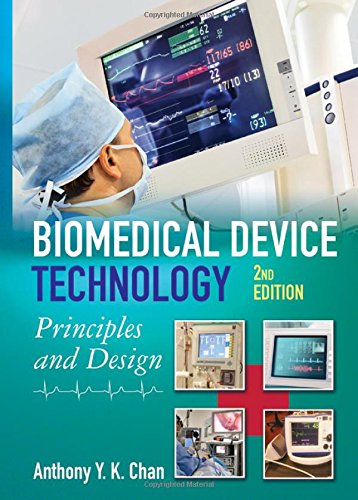
Biomedical Device Technology
View on Amazon →
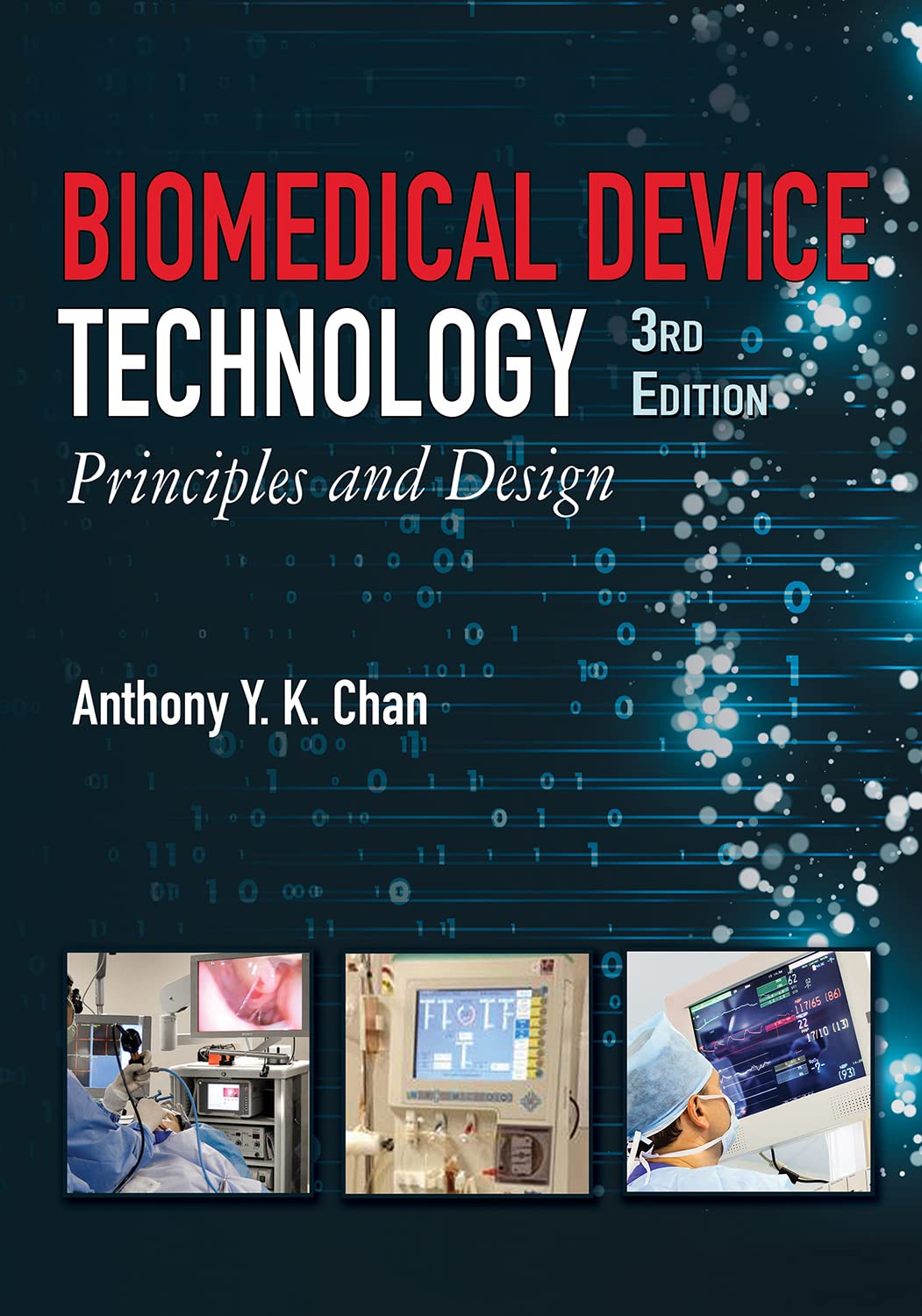
Biomedical Device Technology
View on Amazon →
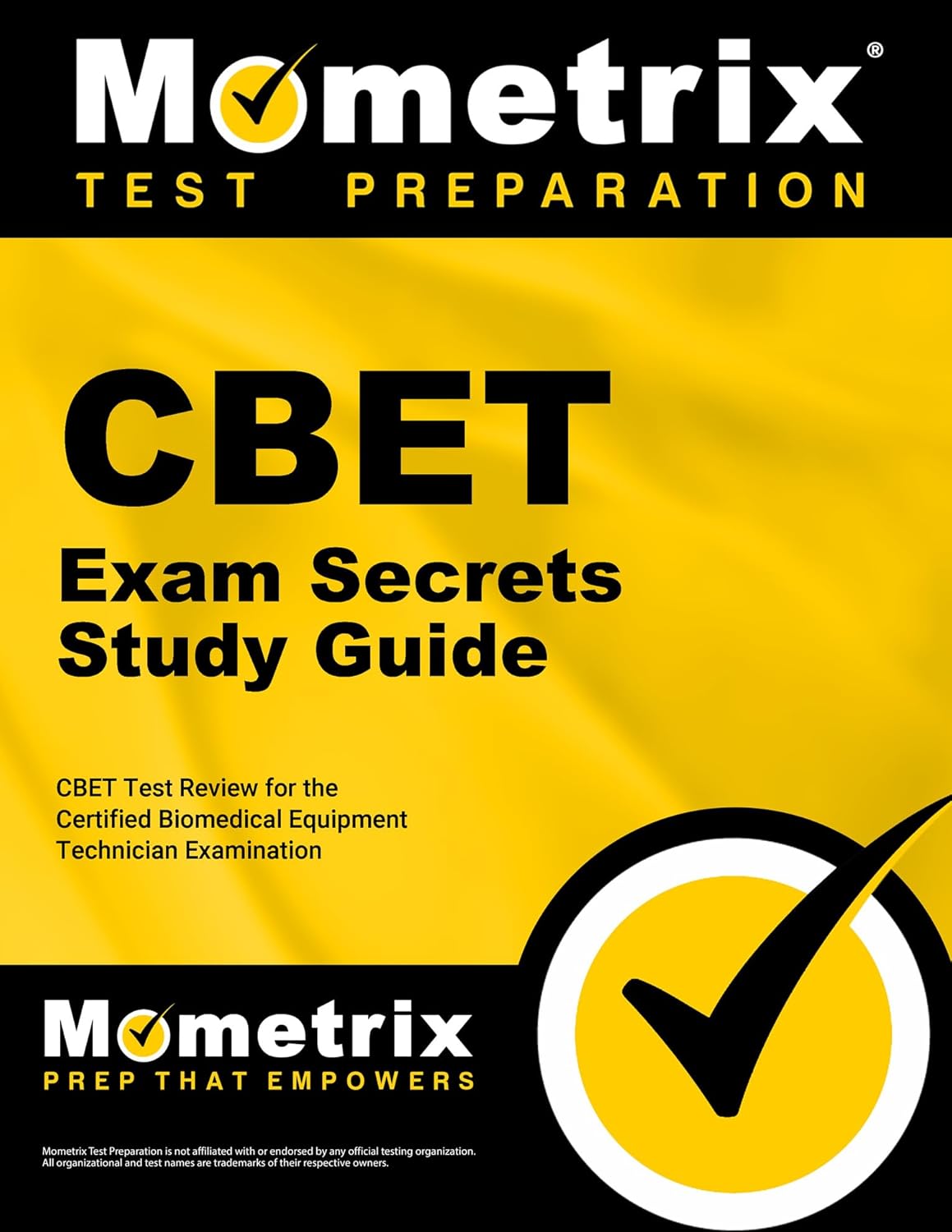
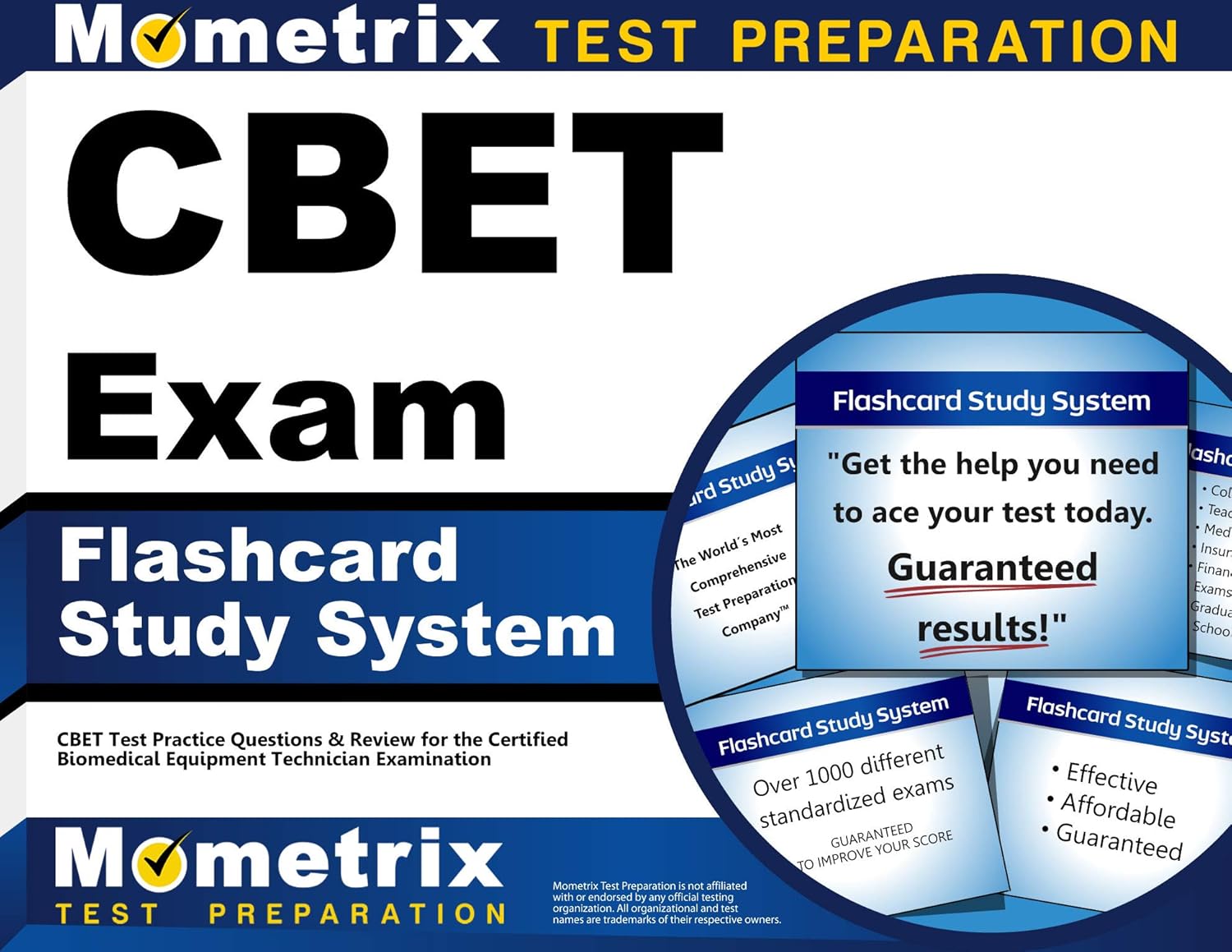
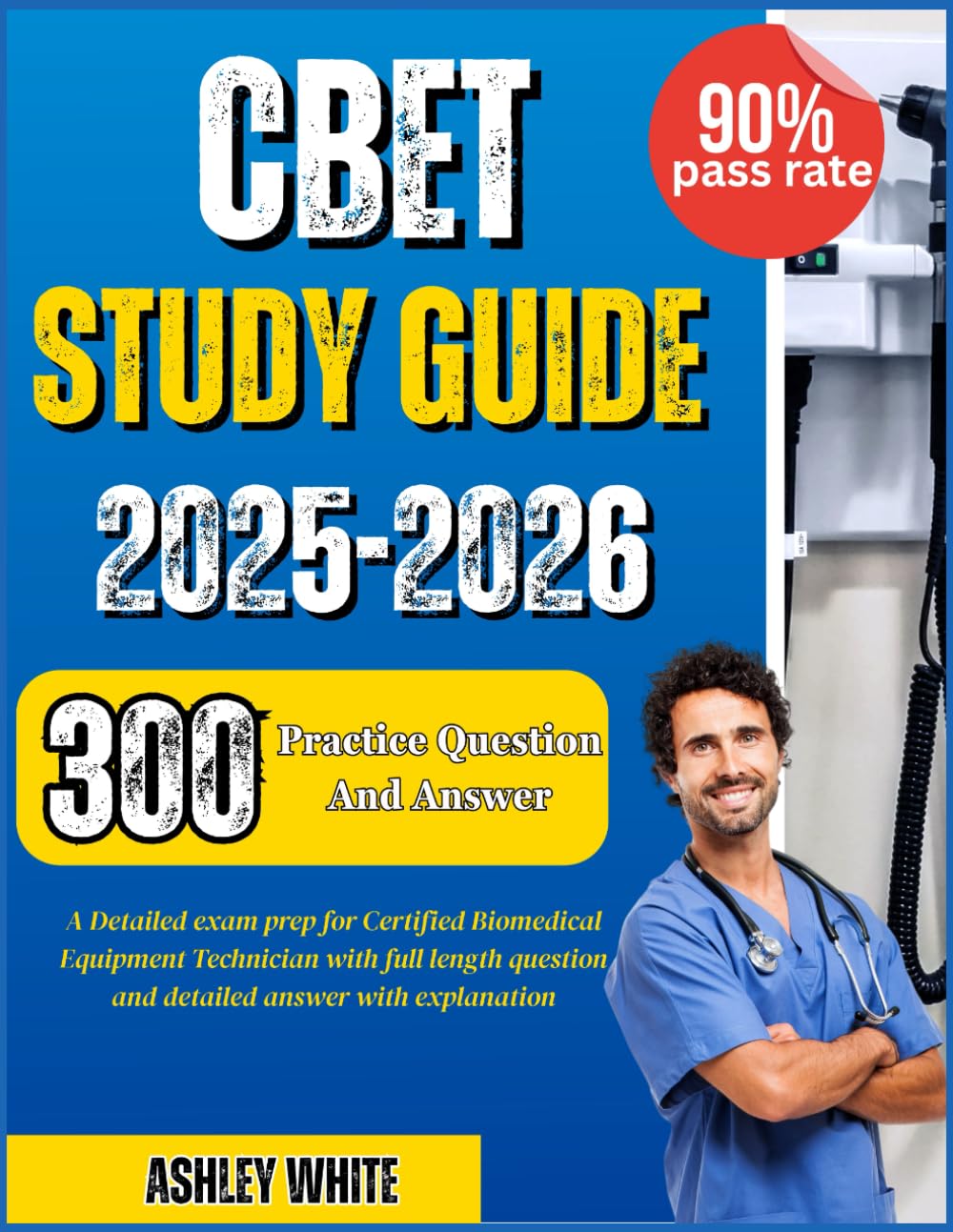
CBET Exam Study Guide
View on Amazon →
CBET Exam Flash Cards
View on Amazon →
Repair and Maintenance of Medical Devices
View on Amazon →
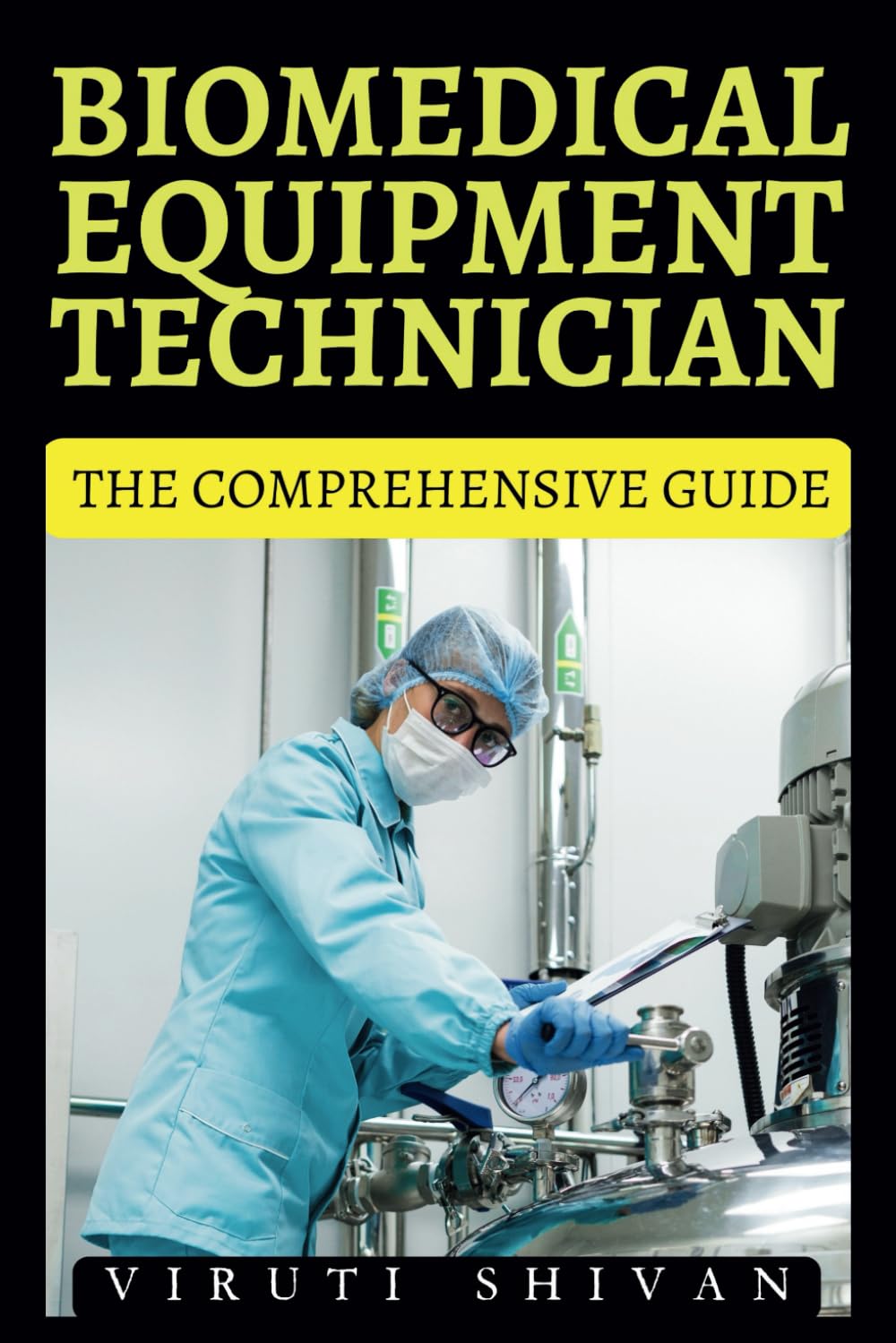
Biomedical Equipment Technician
View on Amazon →
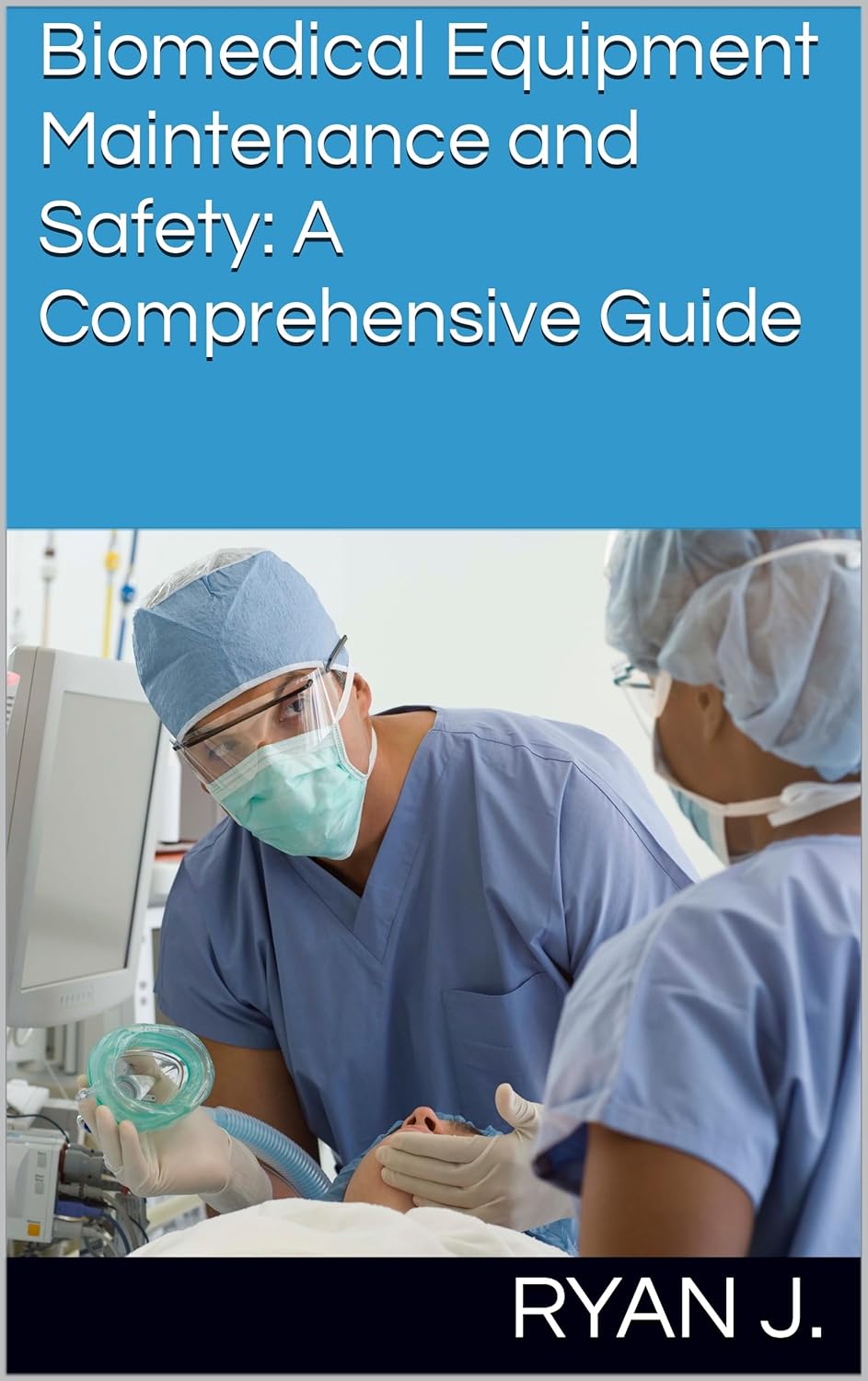
Biomedical Equipment Maintenance and Safety
View on Amazon →
Medical Equipment Maintenance Management and Oversight
View on Amazon →
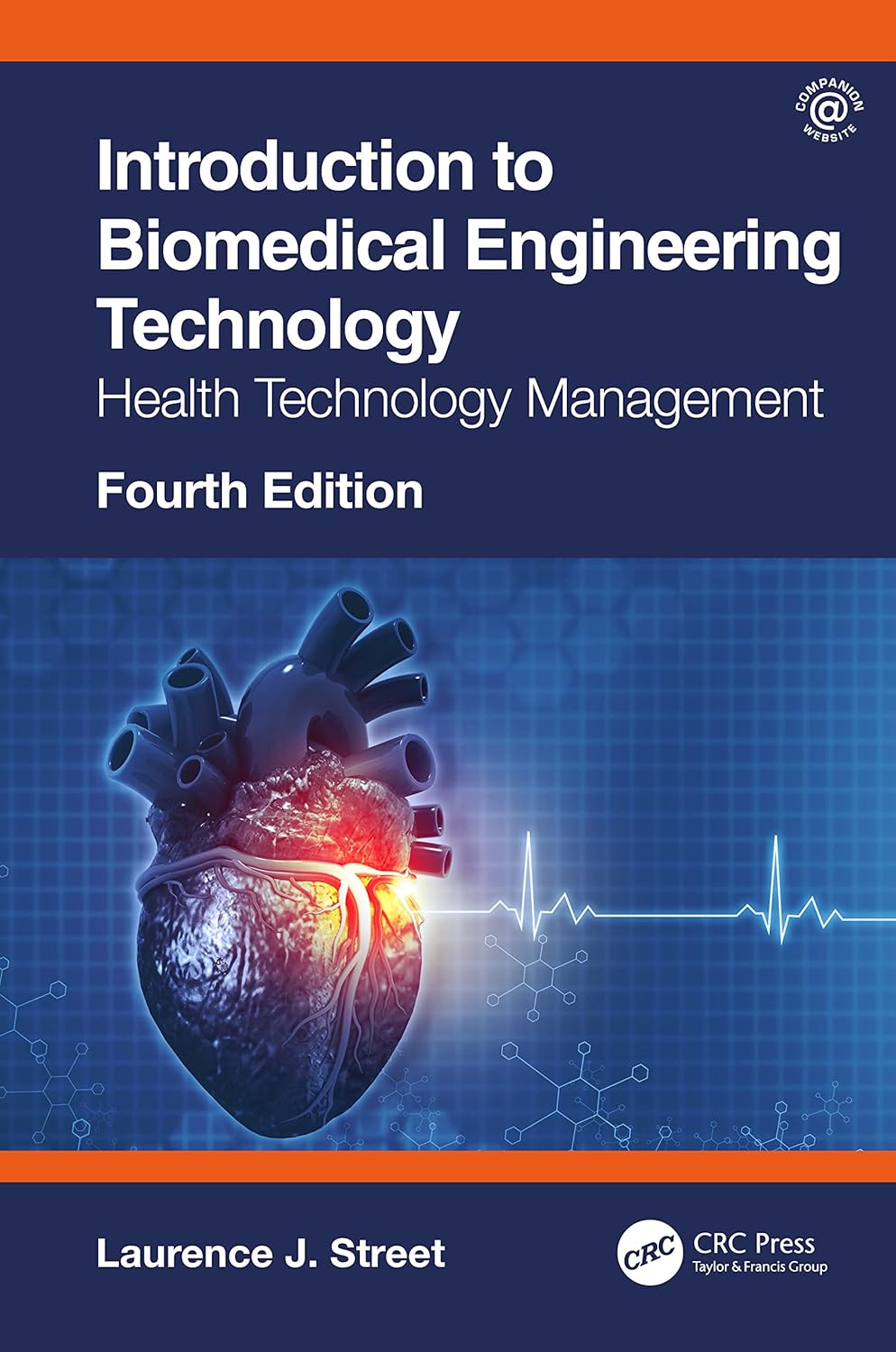
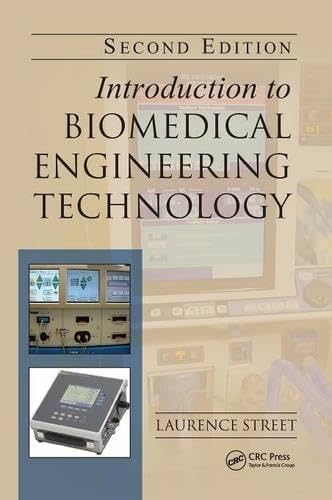
Introduction to Biomedical Engineering Technology
View on Amazon →
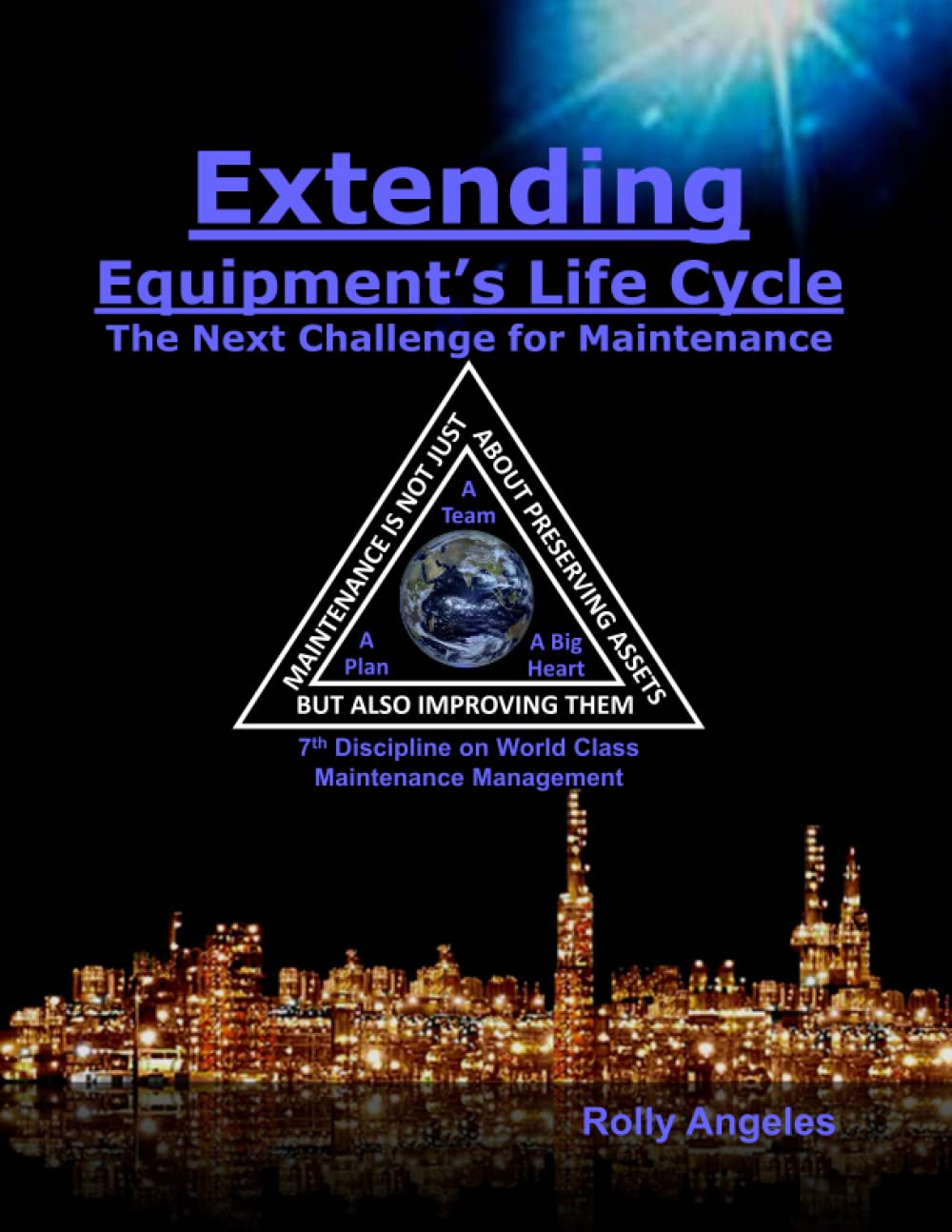
Extending Equipment's Life Cycle
View on Amazon →
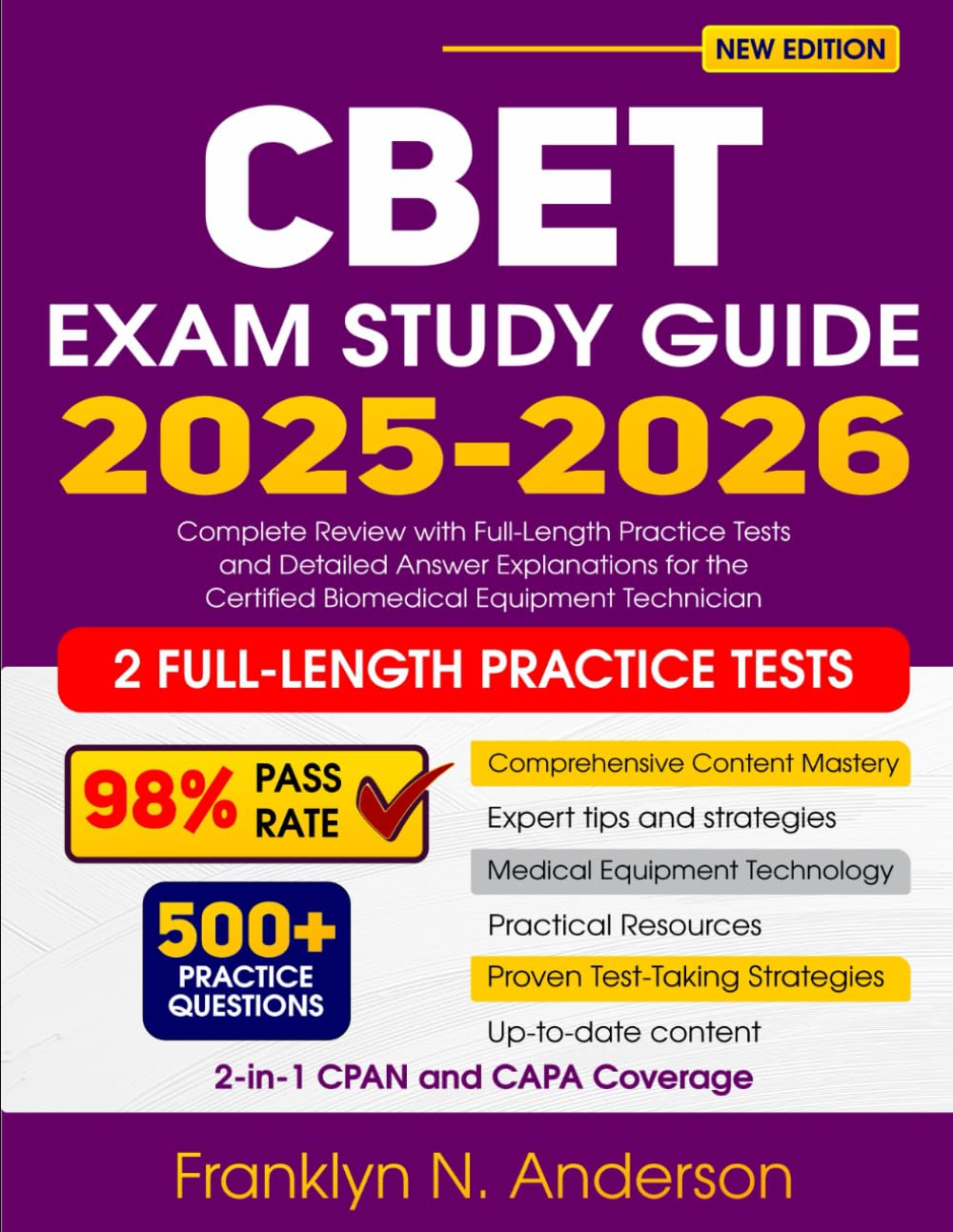
CBET Exam Study Guide 2025-2026
View on Amazon →
CBET Exam Study Guide 2025-2026
View on Amazon →
CBET Exam Study Guide 2025-2026
View on Amazon →
Careers as a Biomedical Equipment Maintenance Technician
View on Amazon →
CRES Exam Flash Cards
View on Amazon →
CRES Exam Study Guide 2025-2026
View on Amazon →
Introduction to Clinical Engineering
View on Amazon →
Biomedical Engineering Fundamentals
View on Amazon →
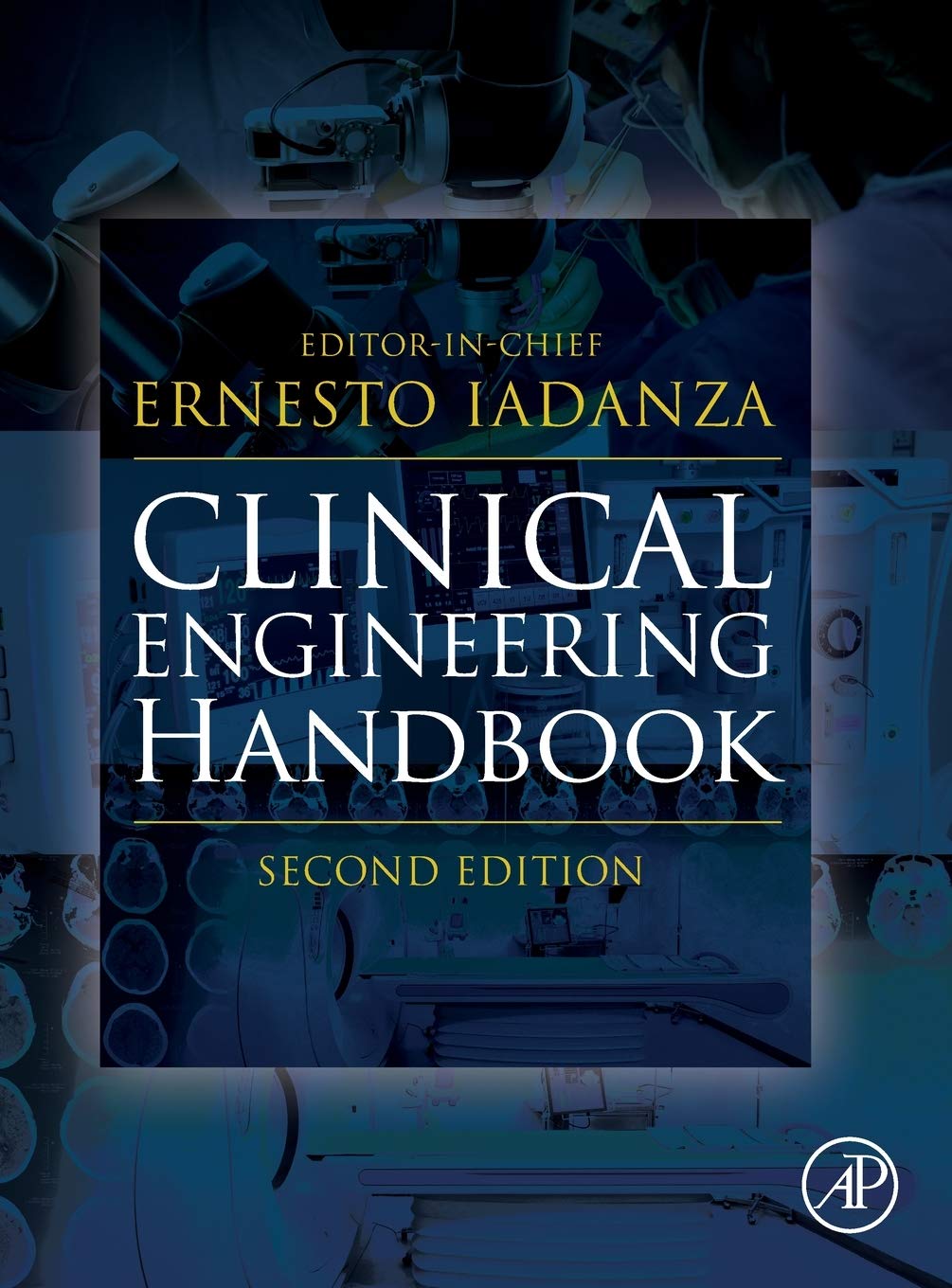
Clinical Engineering Handbook
View on Amazon →
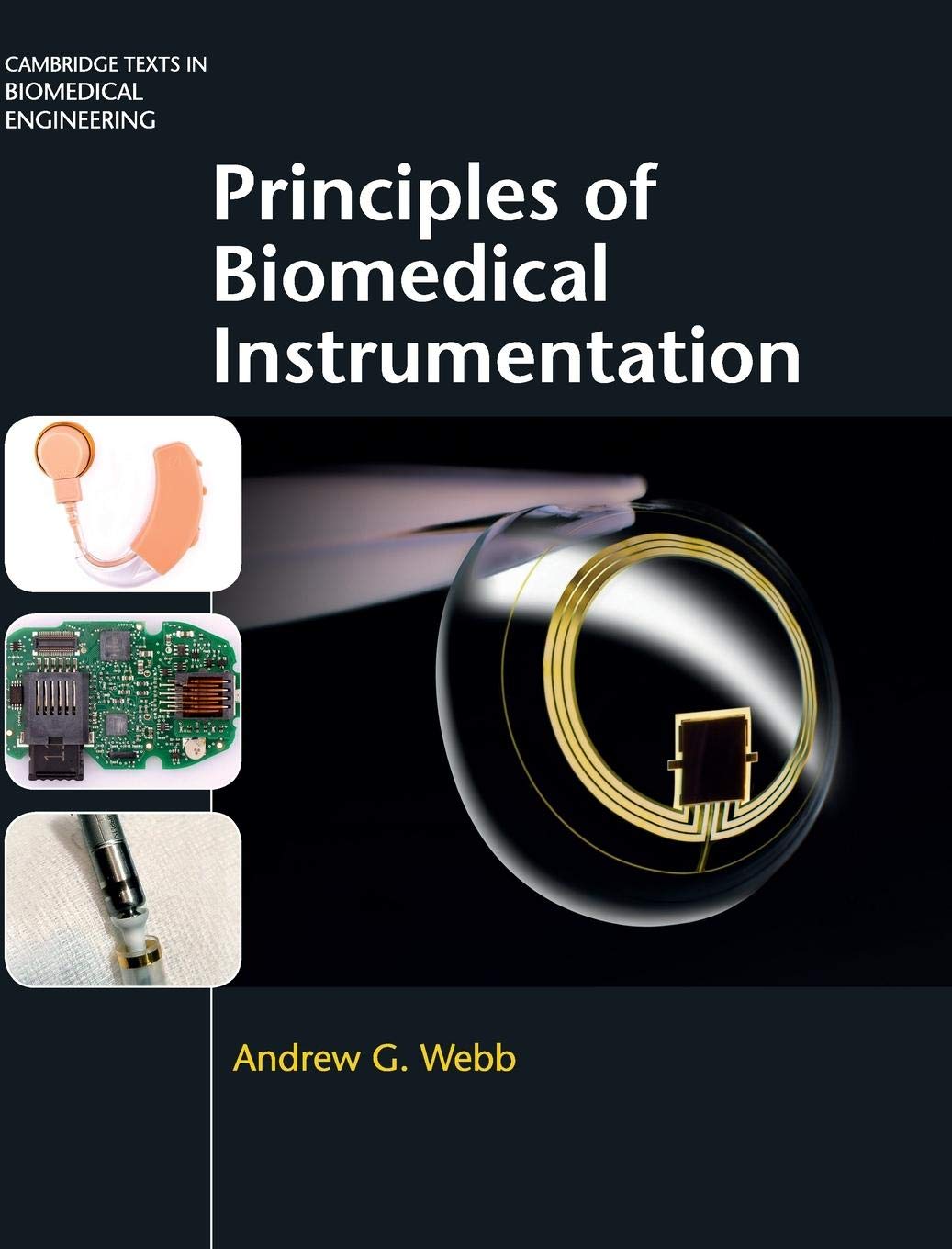
Principles of Biomedical Instrumentation
View on Amazon →
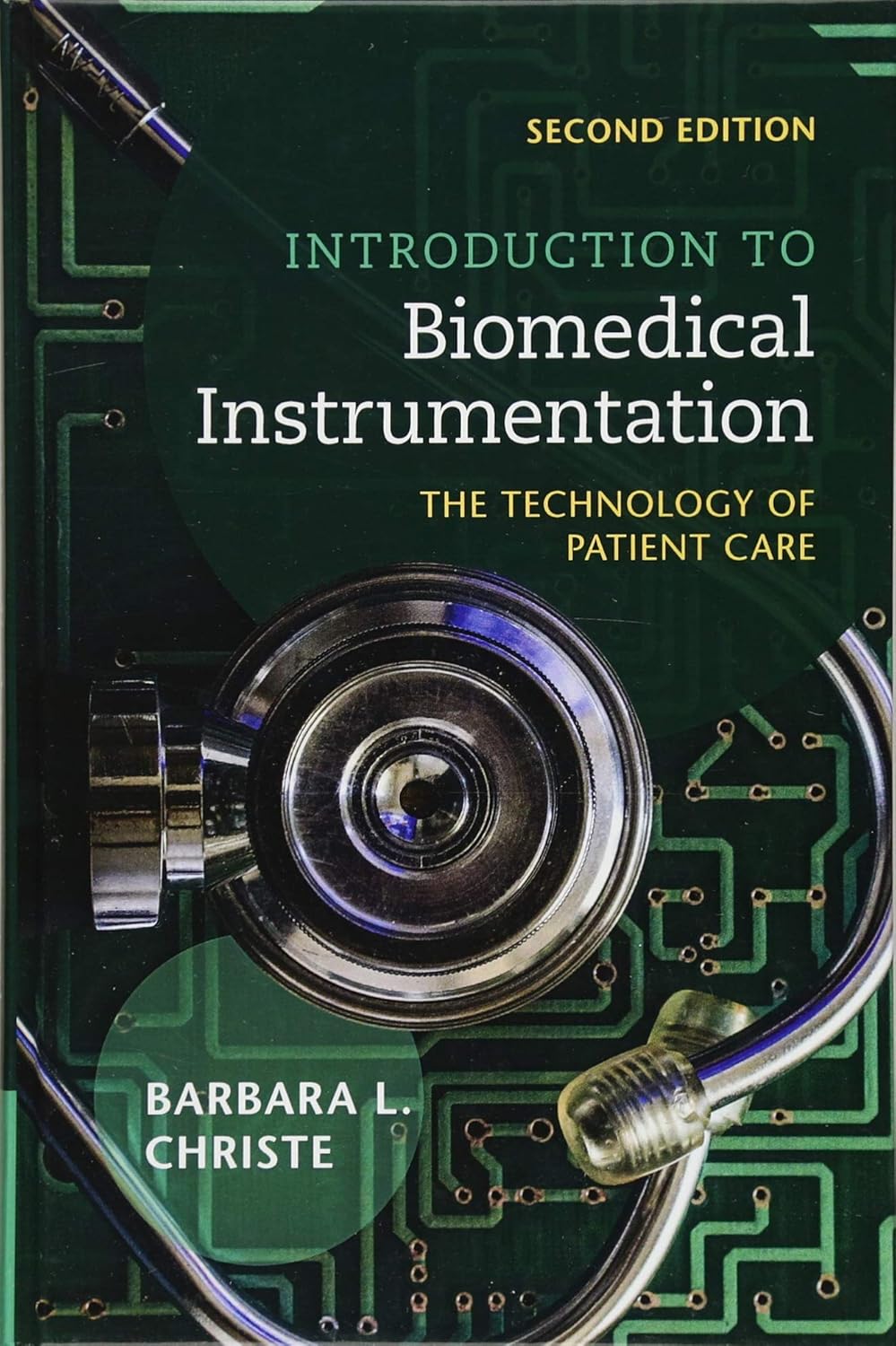
Introduction to Biomedical Instrumentation
View on Amazon →
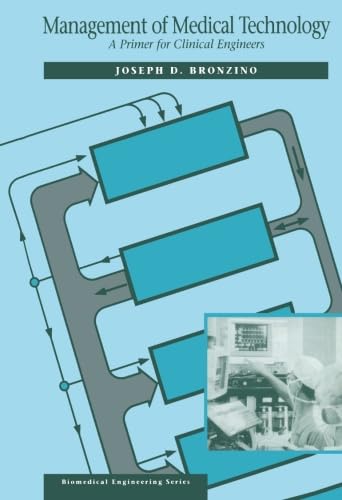
Maintenance of Medical Technology
View on Amazon →
Introduction to Biomedical Engineering Technology
View on Amazon →
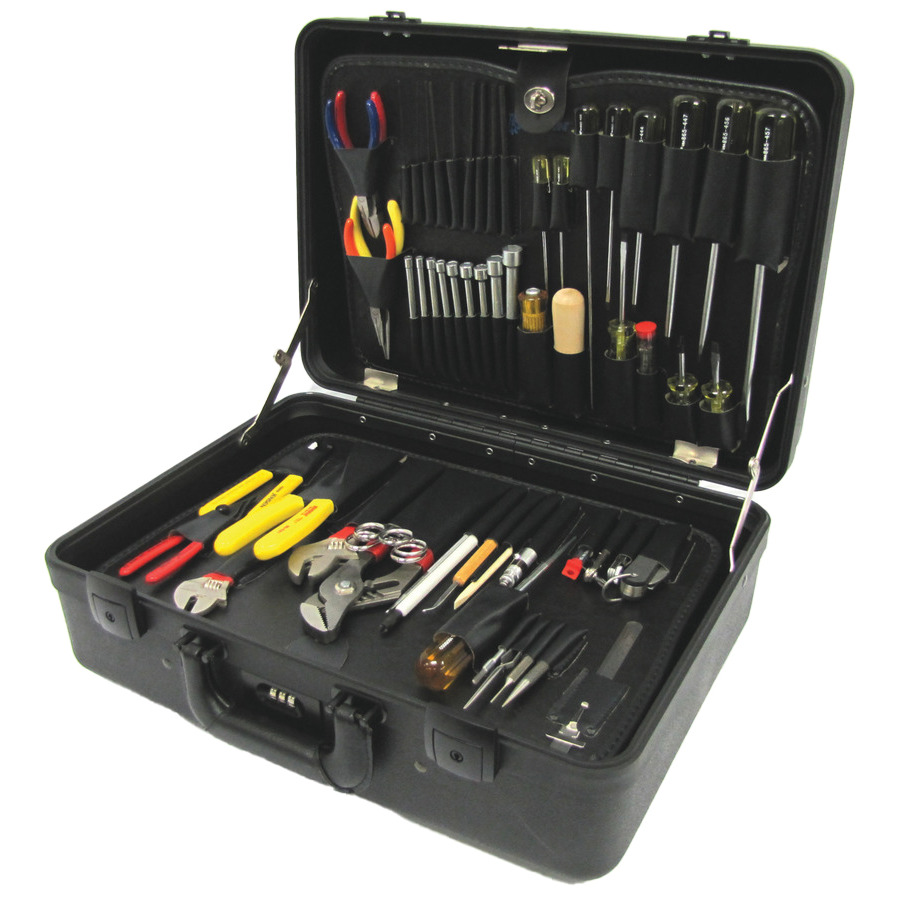
Jensen Biomedical Equipment Maintenance Technician Toolkit
View on Amazon →
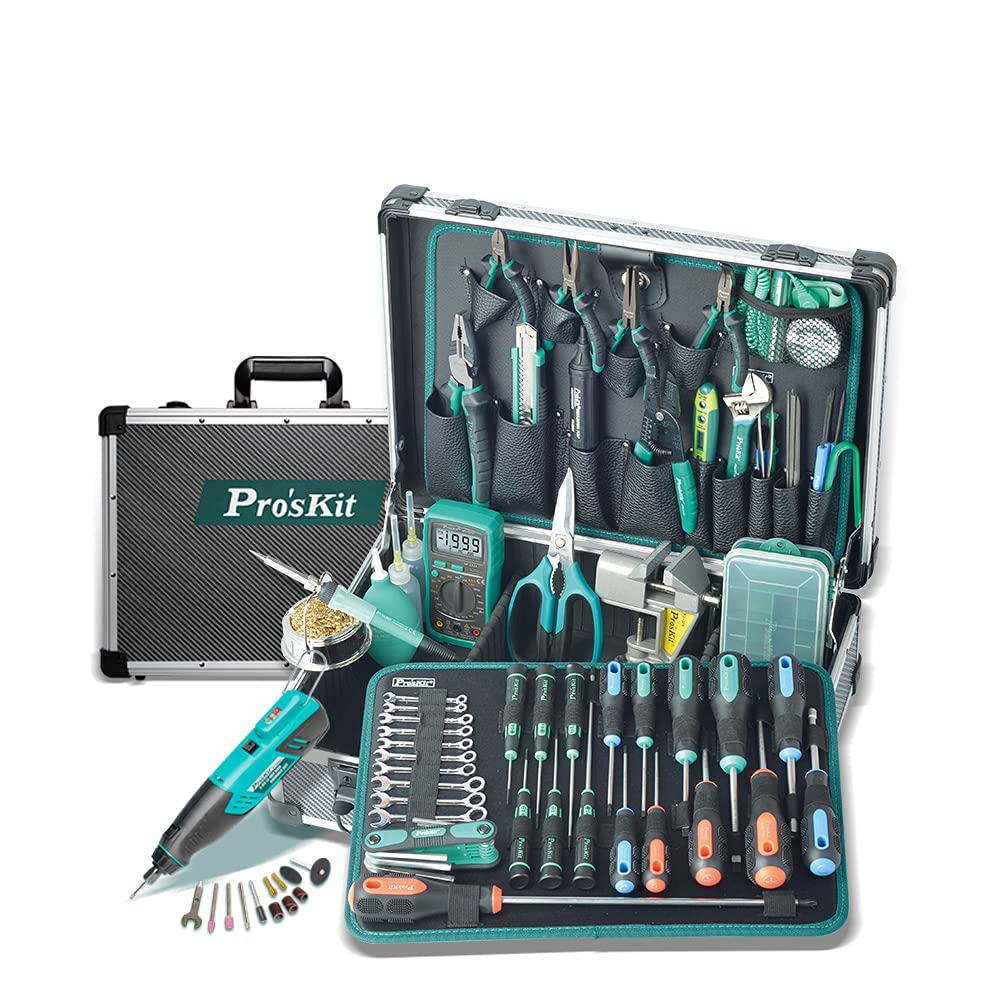
Pro's Kit Electronics Toolkit
View on Amazon →
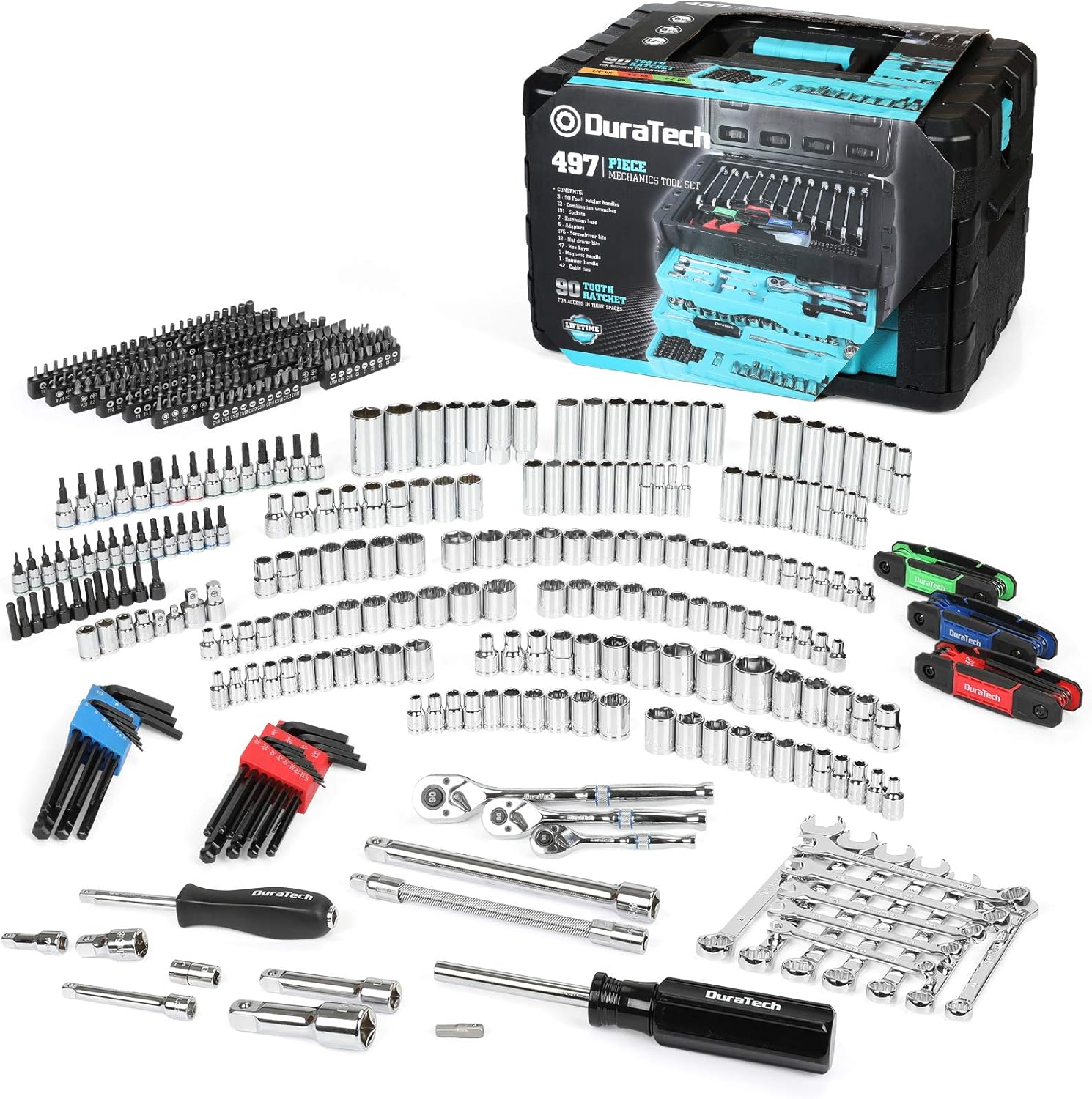
Duratech 497-Piece Mechanics Toolkit
View on Amazon →